Sweater Weather Might Hit Illinois Early This Year, Says Farmer’s Almanac
The latest edition of the Farmer's Almanac just dropped, and it's about as predictable as one of their weather forecasts. We have no idea if we can believe what they're selling for this coming fall in Illinois.
Cooler and Drier Fall Predicted for Rockford and Chicago
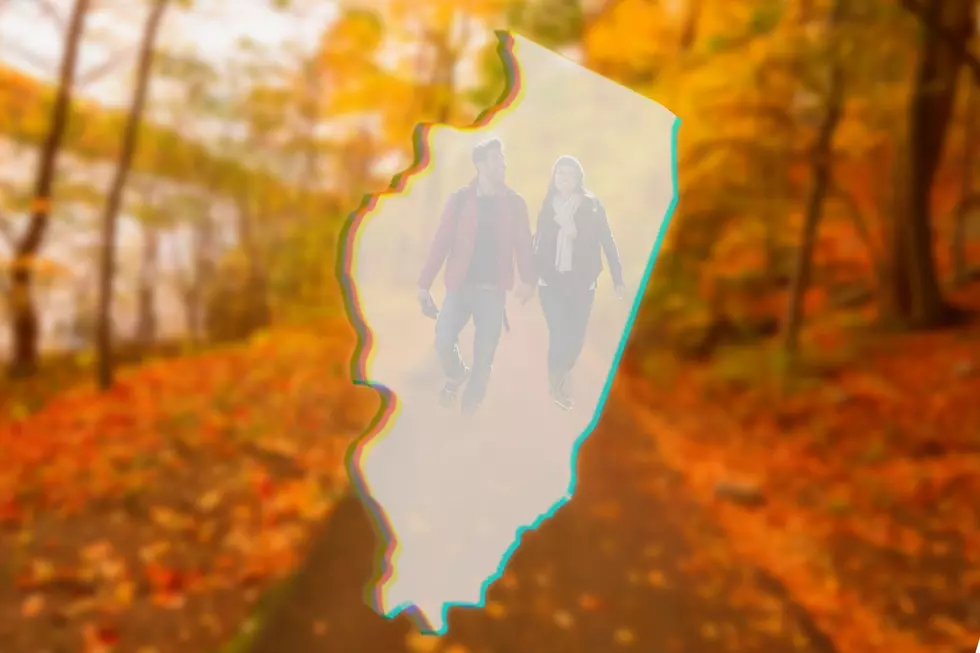
That's because the Farmer's Almanac predicts this fall will be cooler and drier than what we typically experience during those months in northern and central Illinois. What that means is Rockford and Chicago are in for some sweater weather earlier than expected. The Farmer's Almanac predicts rain in September and October, with an expected rainfall amount approximately half an inch lower than usual.
READ MORE: 11 Great Fall Date Ideas in Illinois
How This Year’s Forecast Compares to Last Year
This new season outlook from the Farmer's Almanac is different from last year's, which was cold and wet. If you lived in Illinois this past year, you may recall that it didn't happen. Before you want to dismiss the Farmer's Almanac, they're the first to admit that they do their best to predict what the future weather will look like, but they're not perfect.

If you've ever read anything from the Farmer's Almanac, you already know not to take what they say too seriously. It's like Nostradamus' predictions; we all know it's a bunch of hooey, but it's still fun to see if the predictions come true.
READ MORE: When Was The Earliest Snow Fall in Rockford?
NOAA Disagrees: Expect a Warmer Autumn in Illinois
Meanwhile, the cats at NOAA are predicting warmer-than-average temperatures in Illinois throughout October. Let's just hope Illinois' mild fall forecast keeps us far away from scenes like the ones in this gallery.
LOOK: The most expensive weather and climate disasters in recent decades
Gallery Credit: KATELYN LEBOFF
LOOK: The most extreme temperatures in the history of every state
Gallery Credit: Anuradha Varanasi


