
These 4 Historic Kentucky Floods Happened Exactly 14 Years Apart
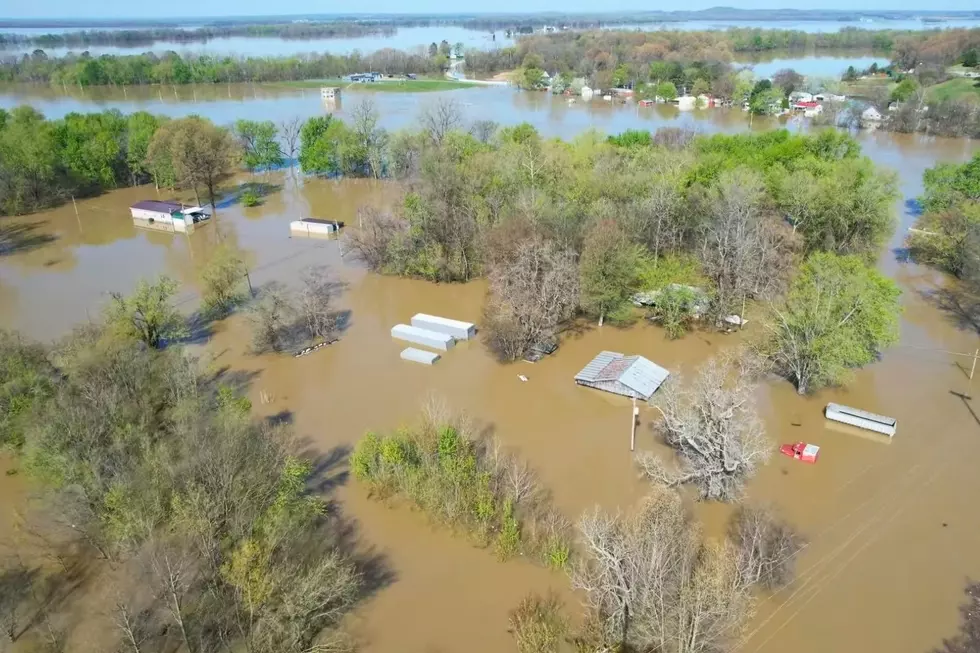
In the spring of 2025, many of us in Daviess County were still reeling from a historic mid-March hailstorm when a front rolled into the tri-state in early April, bringing flooding rains with it. It reminded me of 2011 and then 1997 and then....
I noticed a pattern.
The next year that came to mind was 1983. That's when I realized there had been a 14-year separation between historic flooding events in the tri-state. What's more, I have a distinct memory attached to each one.
1983: The Year School Was Called Off for Rain
I was a junior in high school, and it was April. And it would have been nice if the old poem about April showers bringing May flowers had played out as written. Instead, it was the only time when I was a student that school was called off for rain, but only for one day despite the event happening over three days.
I remember the water covering our front yard and getting close to the first porch step. That's when Mom had me help her put the legs of our antique buffet in coffee cans in case the water got into the house. (That would have been another foot of rain, by the way, and as catastrophic as it was, it never got higher than that first step.)
Anyway, she was only in her late 40s, but putting that buffet in those cans did a number on her back that she lived with the rest of her life, off and on.
1997: Meeting Country Superstars Soaking Wet
Our airstaff was gathered outside of Roberts Stadium waiting with the crowd for the Reba McEntire/Brooks & Dunn concert to begin.
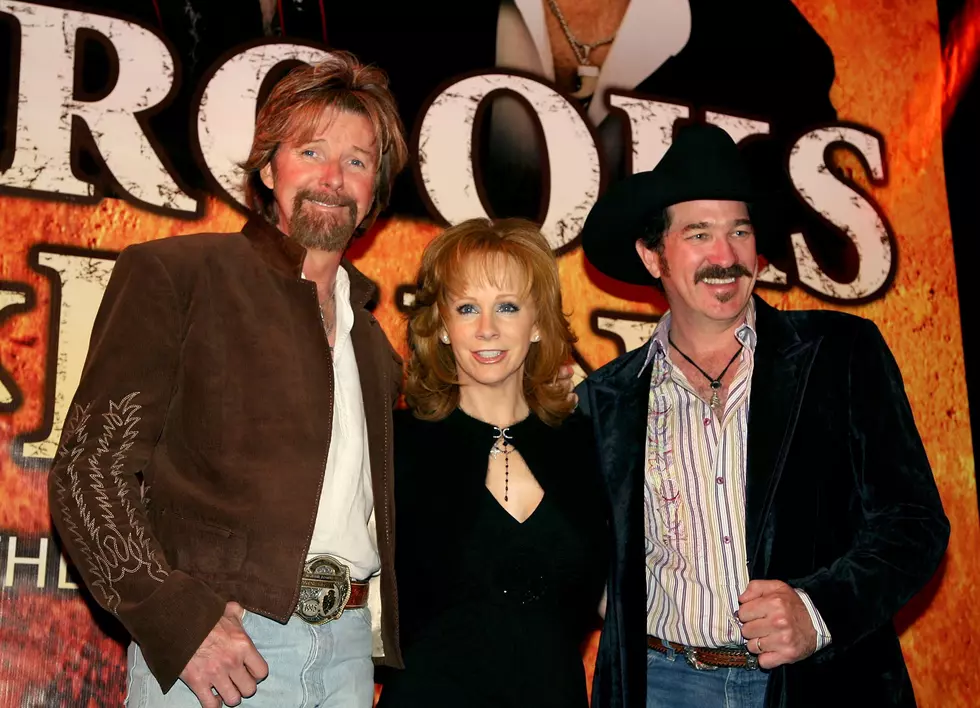
It had been raining all day (nothing very unusual in March in the Ohio Valley), and never at the level of a severe storm, but it was consistently heavy. Our umbrellas were of little use. Since some of us had meet-and-greet passes, we went backstage and met these country music superstars while we were dripping wet. They were all the nicest people, and we joked about the timing of the storm and how Reba's flight had been; she came in while it was happening.
Terrible weather, but great memories.
2011: A Week of Sirens, Storms and Flooding
I can't believe this was 15 years ago, but when civil defense sirens are activated every day for a week, it stays in your mind like it happened yesterday. But yes, that's the memory, and it's likely even stronger than it would be otherwise because I am a radio announcer and I was on the air. When you're pre-empted for weather five days in a row, and for long periods of time each day, you never forget it.
Interestingly, while we were very concerned about the repeated tornado threats, they also seemed to be a distraction from the historic flooding event that was setting up. The stretch of U.S. 431 south out of Owensboro looked like the causeway across Louisiana's Lake Pontchartrain...water, water, everywhere.
2025: First the Hail, Then the Flooding
Several vehicles in the Owensboro area still sport dents from the historic hailstorm that hit Owensboro on March 15, 2025. (Beware the Ides of March.) Many vehicles sustained enough damage that repairing them wasn't worth the cost. Even some newer ones were simply left as they were.
The thing is, we were still heavily focused on that storm when another system came through the tri-state and took its sweet time doing so. More historic flooding rains fell on western Kentucky and southern Indiana, and the next thing you know, we were looking forward to the heat of summer to calm things down. (Well, sort of.)
I don't know that there's anything meteorologically significant about those four storms lining up exactly 14 years apart. Maybe it's nothing more than an interesting coincidence. But once I saw 1983, 1997, 2011 and 2025 lined up like that, I couldn't unsee it.
LOOK: The most expensive weather and climate disasters in recent decades
Gallery Credit: KATELYN LEBOFF
More From WBKR-FM
![‘Noah’ Goes Grocery Shopping in Louisville, Gets Two of Everything [VIDEO]](/site/76/files/2025/04/attachment-Untitled-design-2025-04-07T174302.106.jpg?w=980&q=75)


